
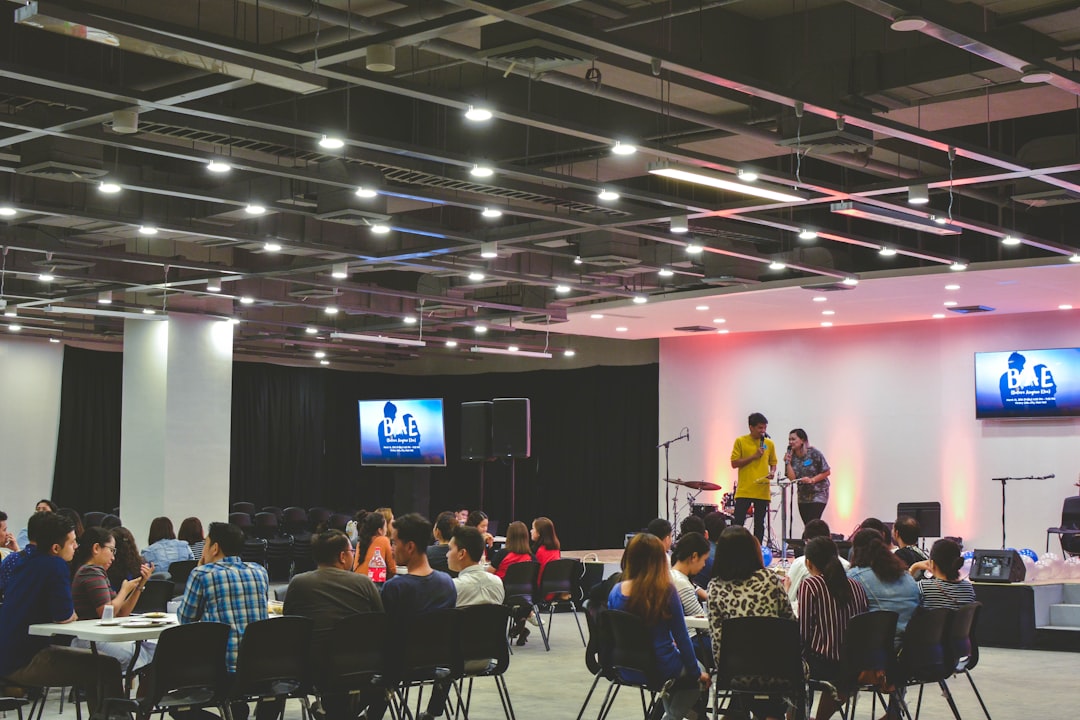
The Art of Crafting Unforgettable Conferences: A Comprehensive Guide to Successful Conference Planning

Planning a conference is no small feat. It requires a meticulous attention to detail, creative thinking, and the ability to juggle multiple tasks simultaneously. Whether you are organizing a corporate conference, a trade show, or an academic symposium, the key to success lies in effective conference planning.
The first step in conference planning is defining your objectives. What do you hope to achieve with the conference? Are you looking to educate, inspire, or network? Clearly outlining your goals will help shape the entire event and ensure that every decision you make aligns with your overarching purpose.
Once you have established your objectives, the next step is to create a budget. Conference planning can quickly become costly, so it is crucial to set a realistic budget and stick to it. Consider all expenses, including venue rental, catering, speaker fees, marketing materials, and any other associated costs. Having a clear budget in place will help you make informed decisions throughout the planning process.
Venue selection is another critical aspect of conference planning. The venue sets the tone for the entire event and can significantly impact the attendee experience. Consider factors such as location, capacity, amenities, and overall ambiance when choosing a venue. Make sure the venue aligns with your conference’s theme and objectives to create a cohesive and memorable event.
In addition to venue selection, you will also need to coordinate speakers, sponsors, and exhibitors for your conference. Securing engaging and knowledgeable speakers is essential to attract attendees and deliver valuable content. Reach out to industry experts, thought leaders, and influencers to create a diverse and impactful lineup of speakers.
Sponsorship plays a crucial role in funding your conference and can provide additional resources and exposure. Identify potential sponsors that align with your conference’s target audience and objectives. Offer attractive sponsorship packages that provide value to sponsors while helping you meet your financial goals.
Exhibitors are another key component of conference planning, especially for trade shows and industry events. Create a compelling exhibitor package that outlines the benefits of participating in the conference. Promote exhibitors through marketing materials, social media, and other channels to attract both exhibitors and attendees.
Marketing and promotion are essential to drive attendance and create buzz around your conference. Develop a comprehensive marketing strategy that includes digital marketing, social media promotion, email campaigns, and traditional advertising methods. Create a compelling conference website and utilize online registration tools to streamline the registration process.
On the day of the conference, ensure that all logistics are well-coordinated and that staff and volunteers are prepared to handle any issues that may arise. Provide a seamless check-in process for attendees, offer networking opportunities, and encourage attendee engagement throughout the event.
After the conference is over, don’t forget to collect feedback from attendees, sponsors, and speakers to evaluate the success of the event. Use this feedback to make improvements for future conferences and to measure the impact of your efforts.
In conclusion, conference planning requires careful consideration, strategic thinking, and attention to detail. By following these steps and incorporating best practices, you can create a memorable and successful conference that achieves your objectives and leaves a lasting impression on attendees. Remember, the key to successful conference planning is preparation, creativity, and a passion for creating unforgettable experiences.